 news
Slavery and reparations: Millions to compensate slave “owners” but not a penny for the slaves
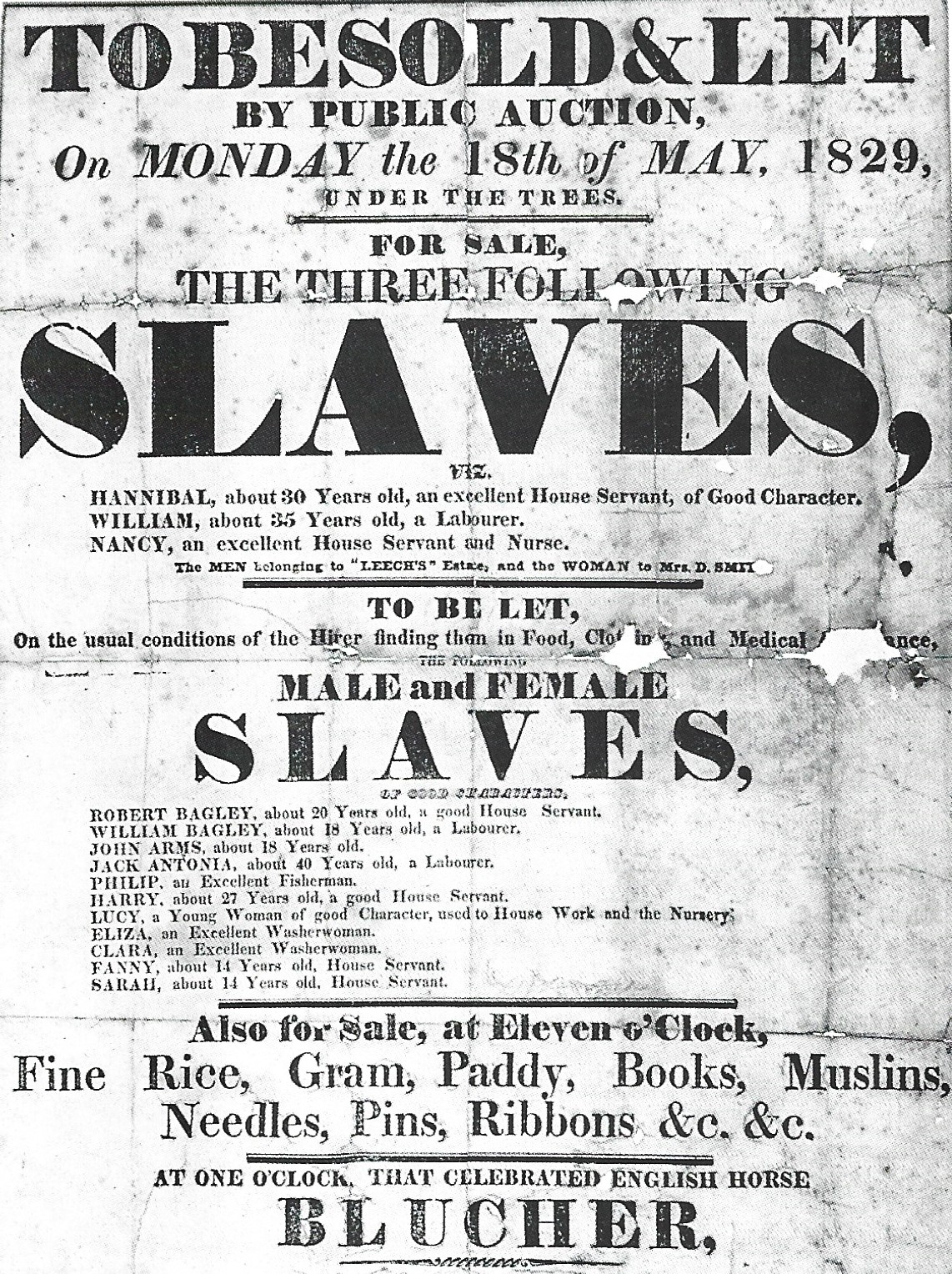
A picture worth a million words
On 28 August 1833, Parliament passed legislation that abolished slavery within the British Empire, emancipating more than 800,000 enslaved Africans. As part of the compromise that helped to secure abolition, the British government agreed a generous compensation package of £20 million. That’s several billions in today’s money. Trouble is, writes TREVOR GRUNDY, the money went not to slaves but to their “owners” who had been deprived of their “property” and incomes.
The amount of money paid was huge. The government borrowed £20 million, which based on inflation alone that would amount to £17 billion today. The pay-outs went to 47,000 individuals and families. These ranged from high -ranking aristocrats running large sugar plantations to lowly widows who kept a few slaves as passive income.
John Gladstone received £12 million.
His son William Gladstone, who went on to be Prime Minister of Great Britain four times between 1868 and 1894, embarked on his liberal career – thanks to dad and his money. Gladstone was by no means the last Prime Minister whose family benefitted from the slave trade.
We all know that Britain had been engaged in slavery since the sixteenth century, with economic prosperity being secured through the use of slave-grown products such as sugar, tobacco and cotton.
Towns like Bristol, Glasgow, Liverpool and London enjoyed boom days thanks to slavery.
Archbishop Desmond Tutu paid homage to William Wilberforce during visit to Hull
In the 19th century, a campaign to end slavery in Britain was led by significant Quaker groups who made public their concerns and brought it to the attention of politicians who were in a position to enact real change.
In Britain, the abolition of slavery was a cause championed by William Wilberforce, a Member of Parliament who was one of the most important and influential figures.
He was born in Hull on August 24, 1759. His family could trace its ancestry back to the reign of King Henry 11 in the 12th century.
Other anti-slavery activists such as Hannah More and Granville Sharp were persuaded to join Wilberforce, which soon led to the foundation of the Anti-Slavery Society.
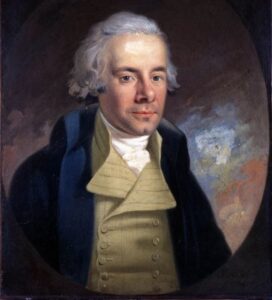
William Wilberforce whose home in Hull is open to visitors from around the world.
On 13th March 1787 during a dinner involving several important figures amongst the Clapham Sect community, Wilberforce agreed to bring the issue to parliament. He was a close friend of Prime Minister Pitt the Younger and one of the most influential voices in the House of Commons.
For over twenty years, Wilberforce was a key figure in the fight to abolish the British slave trade – a victory won in 1807.
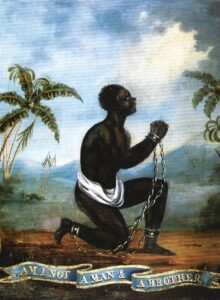
But the bill was delayed for years because so many anti-slavery MPs preferred seats at a local opera house followed by a slap-up meal with loads of wine paid for by people fighting Wilberforce and his campaign to end slavery.
On March 7, 1796 the anti-slavery bill was placed in committee. Wilberforce then got thr bill through committee by a majority of 76 to 31.
But at its third reading the great reformer’s hopes were dashed.
His recorded in his diary – “ I dined before going to the House My slave bill was thrown out by 74 to 70. Ten of twelve of those who had supported me were absent in the country, or away on pleasure. Enough of them were at the opera to have carried it. I am very much vexed and incensed at our opponents.”
Wilberforce was crushed.
His opponents – cash-happy thanks to the deep pockets of un-known slave owners – handed out free opera tickets to some of the MPs who supported the abolition bill.
A writer for the True Briton wrote on March 16, “A new comic opera was brought forward last night under the name of I Dui Gobi (The Two Hunchbacks) the music of which was composed by Portugallo. There was a large and splendid audience.”
The writer didn’t mention that all the MPs who could have saved the anti-abolition bill were in comfortable seats waiting to get their snouts into an apres opera food trough.
Wilberforce was bereft and came down with a severe fever followed by excruciating intestinal problems. He told friends that he had never suffered so much.
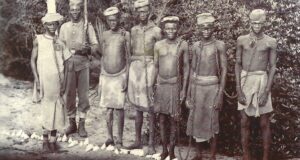
Royals and bishops were slave owners
“Owners” were paid millions for the loss of their ” property.”
By 26th July 1833, the wheels were in motion for a new piece of legislation.
As part of the new act, slavery was abolished in most British colonies which resulted in around 800,000 slaves being freed in the Caribbean as well as South Africa and a small amount in Canada.
The law took effect on 1st August 1834 and put into practice a transitional phase which included reassigning roles of slaves as “apprentices” which was later brought to an end in 1840.
Wilberforce died soon after the authorisation of an act that helped end slavery and which eventually changed the world for the better.
One of the last men to visit Wilberforce before his death was William Gladstone.