 news
newsFresh hope for Scotland’s threatened Gannet colony
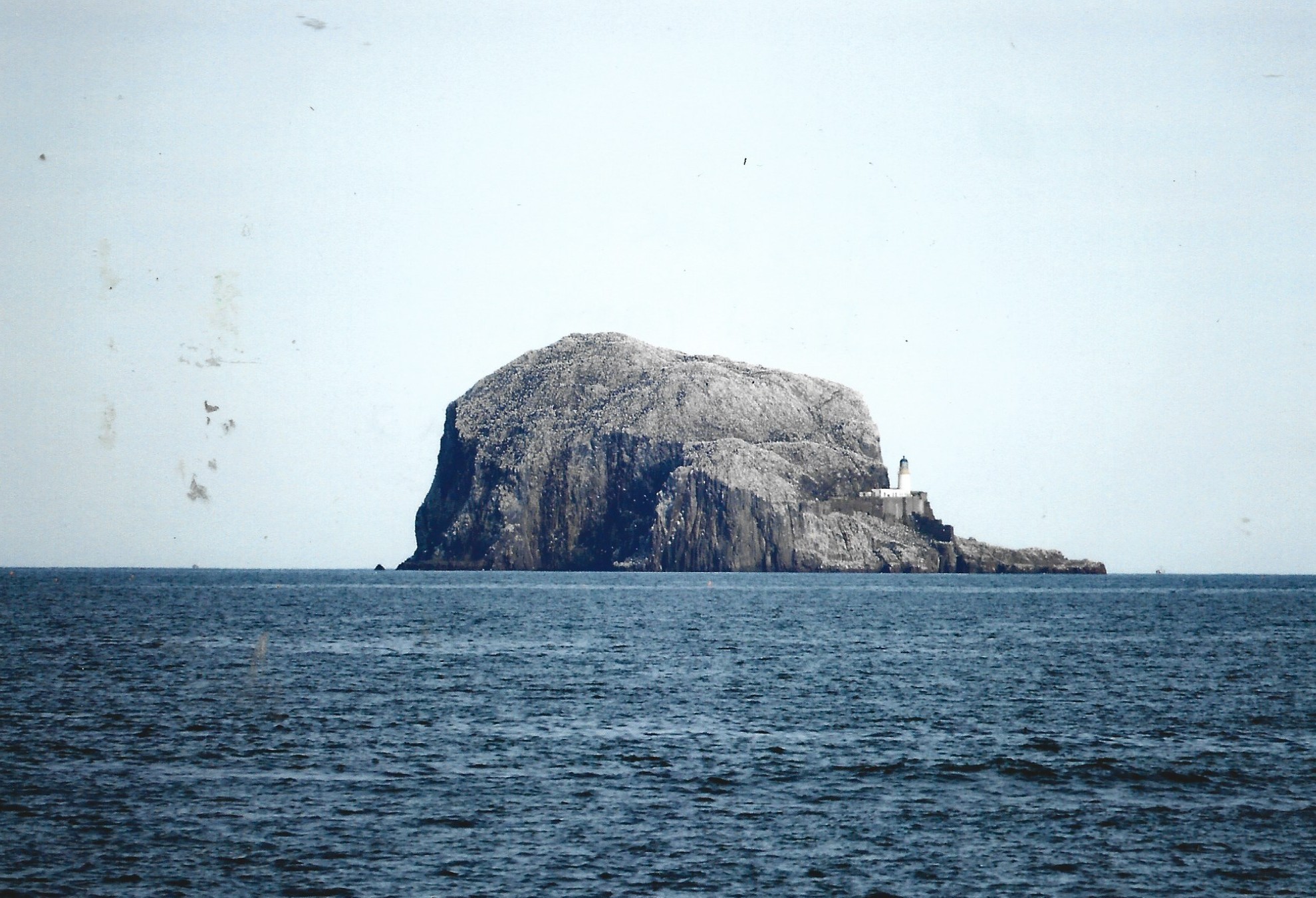
Baas Rock – one of Scotland’s best-known and loved landmarks (Picture: Trevor Grundy)
The Royal Society for the Protection of Birds (RSPB) Scotland have announced the purchase of Baas Rock, East Lothian, after 300 years in private ownership. Rising 350 ft (106 m) above the sea, the uninhabited island is one of the region’s most striking landmarks, crowned by a lighthuse and the remains of an ancient castle that hint at its rich history.
The world- famous birds only island lies three miles off the coast of North Berwic. The rocky island has been in the hands of the Hamilton-Dalrymple family for more than 320 years.
S,o it is now is entering a new chapter.
With the support of a £586,000 grant from the National Heritage Memorial Fund, ownership of the island and neighbouring Craigleith Island – the latter, home to around 10,000 Atlantic Puffins Fratercula arctica – has been transferred to RSPB Scotland.
Craigleith Island – home to around 10,000 Atlantic puffins (Picture: Trevor Grundy)
The conservation charity says the move will strengthen efforts to protect Scotland’s seabirds, which have suffered steep declines in recent years due to mounting environmental pressures.
A RSPB Scotland spokesperson said acquiring the islands came at a crucial time, with more than 70% of seabirds facing decline.
Bass Rock is home to about 100,000 Northern Gannets Morus bassanus.
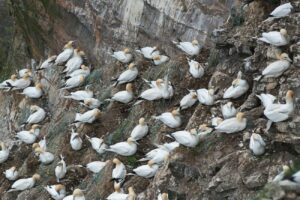
Gannets galore on one of Scotland’s most famous landmarks
The island’s world-famous Gannet colony was hit hard by the High Pathogenicity Avian Influenza (bird flu) outbreak of 2022–23, which caused devastating losses among the seabirds. While researchers say the population is now showing encouraging signs of recovery, the latest survey found numbers have climbed back to only around two-thirds of their previous peak of 150,000.
Conservationists hope the transfer of ownership will provide new opportunities to introduce measures that safeguard the colony and help seabird populations thrive in the years ahead.
(Trevor Grundy is a member of the Yorkshire branch of the Royal Society for the Protection of Birds and a regular visitor to wildlife sites in Scotland)